The world of ultramarathon running offers a spectrum of challenges, but few events capture the imagination and test human limits quite like the Backyard Ultra format. At the forefront of this unique endurance test in the UK is the Rasselbock Backyard Ultra. This isn't just a race; it's a profound journey into resilience, strategy, and community, where the clock is as much an opponent as the distance itself. For those unfamiliar, imagine running the same challenging loop, hour after hour, until every other competitor has succumbed to fatigue, doubt, or the unforgiving ticking of the clock.
The Rasselbock events, set in picturesque UK locations like Sherwood Pines and Hardwick, have rapidly gained a reputation for their welcoming atmosphere combined with an utterly brutal premise. Whether you're a seasoned ultra-runner or an ambitious newcomer looking to push your boundaries, understanding the intricacies of the Rasselbock Backyard Ultra is crucial for anyone hoping to be the "last one standing."
What is the Rasselbock Backyard Ultra? Understanding the Format
At its core, a Backyard Ultra, and by extension the Rasselbock Backyard Ultra, operates on a deceptively simple, yet incredibly demanding, principle. Competitors must complete a specific loop, typically 6.71 kilometers (4.16 miles), within a one-hour timeframe. Every hour, on the hour, a new lap begins. If you fail to start the next lap, or don't complete the current one within the allotted 60 minutes, you are out. This continues, relentlessly, until only one runner remains to complete a final, solitary lap.
This "last one standing" format transforms the traditional ultramarathon. It's not about being the fastest overall, but about managing your pace, conserving energy, and optimizing recovery during the brief breaks between laps. A runner might finish a lap in 40 minutes, leaving them 20 minutes to rest, refuel, and prepare for the next bell. Finish in 59 minutes, and your recovery time shrinks to a mere 60 seconds. The mental game is paramount; the constant countdown, the repetitive nature of the course, and the sight of fellow runners dropping out all contribute to a psychological battle as intense as the physical exertion.
The 6.71km distance is no arbitrary figure; it's precisely 1/200th of 100 miles (160.934 km), meaning that completing 24 laps equates to covering 100 miles. This standard ensures a consistent challenge across all Backyard Ultra events globally, making the Rasselbock a true test against international benchmarks.
Rasselbock Locations & Course Details: Sherwood Pines & Hardwick
The Rasselbock series offers events in distinct and challenging environments across the UK, allowing runners to experience different facets of its unique format. For instance, the Rasselbock Backyard Ultra 2026: Sherwood Pines & Hardwick Race Guide details two prominent locations.
The **Rasselbock Backyard Ultra - Sherwood Pines** event is a highlight for many, typically held in late March. In 2026, it is scheduled to start on 28 March and is based within the beautiful Sherwood Pines Forest in Nottinghamshire. The course here measures approximately 4.19 miles (6.74 km), winding its way through a varied landscape. Runners can expect a mix of forest trails, nimble single paths, and broader forest access roads. The terrain itself is a combination of natural woodland and durable gravel tracks, offering a dynamic surface that requires adaptable footing and constant attention.
Meanwhile, the **Rasselbock Backyard Ultra - Hardwick** is set for mid-September 2026 in Chesterfield, United Kingdom. While specific course details mirror the standard Backyard Ultra loop, the Hardwick event will present its own unique character, likely leveraging the natural beauty and varied landscapes typical of the Derbyshire area. Both locations provide stunning backdrops for an arduous challenge, emphasizing that while the format is consistent, the experience of each Rasselbock event is distinctly influenced by its environment.
Understanding these course specifics is vital. The blend of woodland and gravel at Sherwood Pines means you'll encounter everything from potentially muddy or rooted sections to fast, firm paths. This variety, while engaging, demands appropriate footwear and mental agility to navigate hour after hour, especially as fatigue sets in and daylight fades.
Training for the Ultimate Test of Endurance and Strategy
Success at the Rasselbock Backyard Ultra isn't just about raw speed or extreme distance capability; it's about intelligent, long-term preparation. As experienced participants attest, a solid training block is fundamental. Runners often dedicate months, sometimes four or more, to build the necessary physical and mental fortitude.
Key training components include:
- Consistent Mileage: Building a strong aerobic base through regular, steady-paced runs is non-negotiable. This isn't about setting personal bests on every run, but about comfortable endurance.
- Speed Work & Hill Reps: While the race isn't about speed, having a comfortable buffer to complete each lap is crucial. Incorporating faster efforts, like those found in parkruns, or tackling hill repetitions, can significantly improve your efficiency and ability to maintain pace when tired.
- Run/Walk Strategy: This is a cornerstone for many ultra-runners. Practicing a run/walk strategy during training helps conserve energy, delays fatigue, and allows for active recovery. Many Rasselbock participants explicitly train their walking speed, knowing they'll be doing a lot of it between running segments to hit the hourly deadline.
- Back-to-Back Long Runs: Simulating the cumulative fatigue of a Backyard Ultra, even over shorter durations, can be beneficial. Running a long run one day, followed by another substantial run the next, helps condition your body for sustained effort.
- Adaptability: Life throws curveballs. As one runner shared, managing conditions like Ménière’s disease requires flexibility in training. Learning to listen to your body and adjust your schedule without guilt is a vital skill for any long-distance runner.
Beyond physical preparation, mental resilience training is equally important. Practicing mindfulness, visualization, and developing strategies to overcome boredom or negative thoughts during repetitive laps can make a significant difference. For a deeper dive into preparing for the unique demands of this event, explore our dedicated guide: Rasselbock Backyard Ultra: Navigating Training, Sleep, and Cold Temps.
Race Day: Mastering the Mind, Body, and Logistics
Race day at the Rasselbock Backyard Ultra is a complex ballet of physical effort, strategic planning, and mental fortitude. Logistics, especially around sleep and cold management, are critical.
Pre-Race Sleep & Comfort
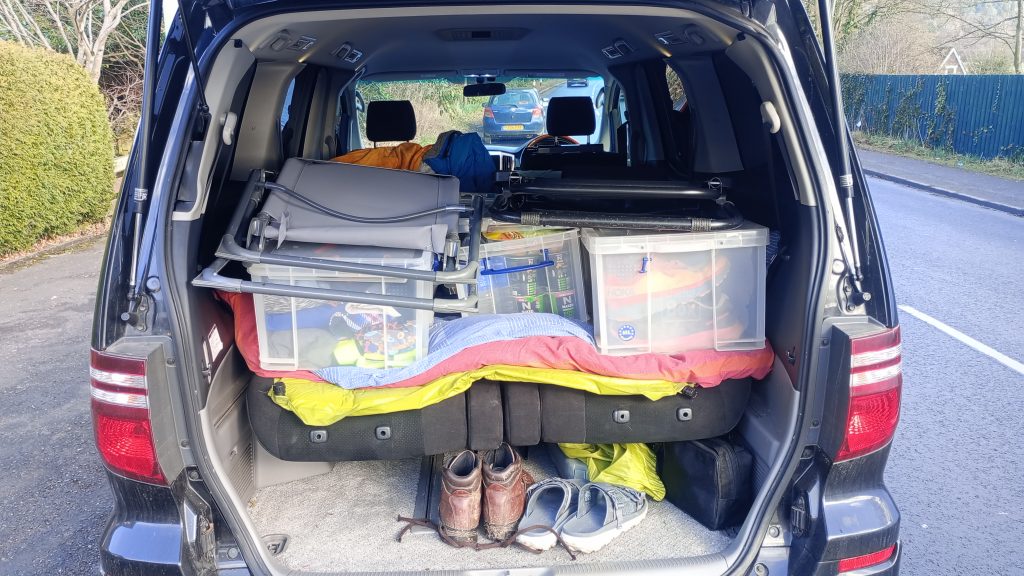
One of the most frequently underestimated aspects is pre-race sleep. While some struggle in tents or bivvy bags, experienced runners emphasize the importance of a warm, comfortable sleeping arrangement. Many opt for sleeping in cars or vans, creating a "duvet sandwich" with sleeping bags and duvets to combat bitterly cold overnight temperatures, which can drop to -2°C or lower. A good night's sleep before the event can profoundly impact initial performance and mental state.
The Aid Station & Personal Hub
Each runner effectively establishes a mini aid station for themselves. This typically involves a designated spot near the start/finish line where you can access your supplies. Here, swift changes of clothes, replenishing nutrition and hydration, and brief moments of rest are vital. Crew support, if available, can be invaluable for preparing food, managing gear, and offering moral support.
Pacing and Lap Management
The golden rule for the Rasselbock Backyard Ultra is to run each lap comfortably enough to leave ample time for recovery, but not so fast that you burn out prematurely. Aiming for a consistent lap time that allows 15-20 minutes of rest is ideal. This precious downtime is used for:
- Refueling with snacks and drinks.
- Changing socks or shoes if needed.
- Using the toilet.
- Brief stretches or massage.
- Just sitting down and mentally regrouping.
The "social lap" phenomenon is common in the early hours, where runners chat and enjoy the camaraderie. This supportive atmosphere, with "so many lovely people around," can be a significant boost, helping to pass the time and share stories.
Dealing with the Elements
Given the UK's unpredictable weather, preparing for cold temperatures, rain, or even unexpected warmth is crucial. Layers are your best friend. Having dry clothes ready for each break, along with warm jackets, hats, and gloves, can prevent chilling and hypothermia, which are race-enders. Headlamps become essential as night falls, navigating the woodland and gravel tracks in the dark.
The Mental Game
As the hours tick by, the physical pain is often overshadowed by the mental battle. Overcoming boredom, fighting self-doubt, and maintaining focus become paramount. Each lap finished is a small victory, and the desire to see how far you can go drives many to continue. The unique challenge of the Rasselbock Backyard Ultra isn't just about covering distance; it's about conquering your own mental limits, one hour at a time.
The Rasselbock Backyard Ultra is more than just a race; it's an immersive experience that strips running down to its most primal form: forward motion, hour after hour, until only one remains. It's a celebration of endurance, a masterclass in strategy, and a testament to the human spirit's capacity for resilience. Whether you're aiming for a few laps or the coveted "last one standing" title, the preparation, camaraderie, and sheer challenge of a Rasselbock event leave an indelible mark on every participant. It’s an event that truly exemplifies the phrase, "to finish is to win."