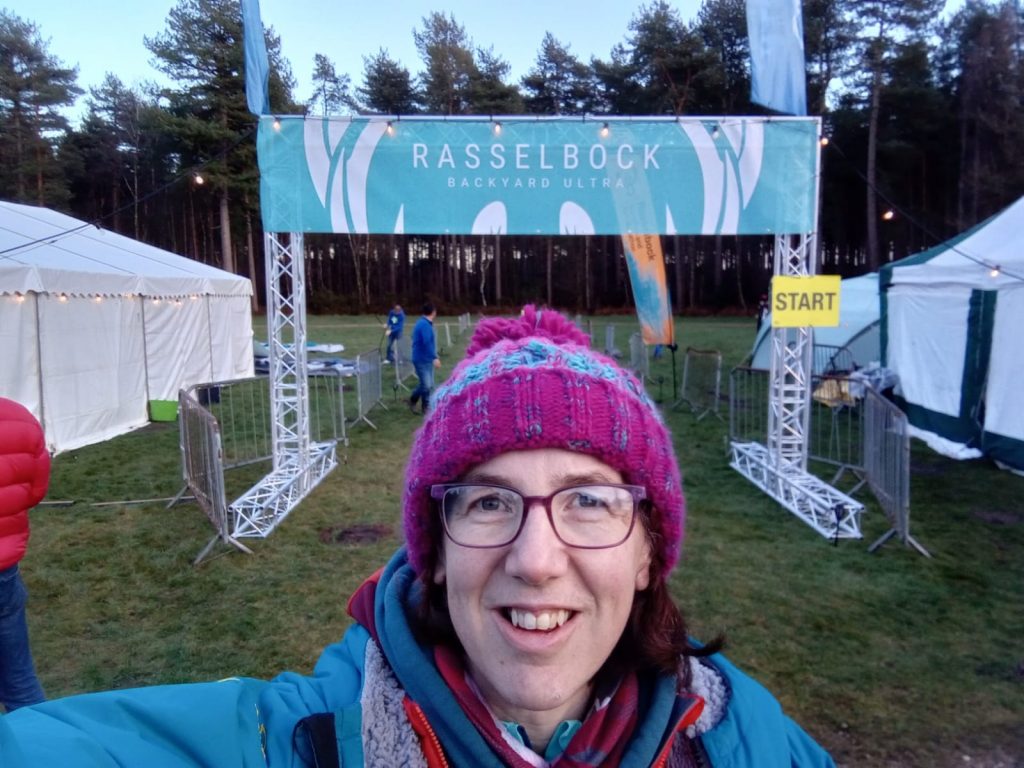
Rasselbock Backyard Ultra: Navigating Training, Sleep, and Cold Temps
The Rasselbock Backyard Ultra isn't just a race; it's an endurance challenge that tests every facet of a runner's preparation – physical, mental, and logistical. With events like the Rasselbock Backyard Ultra at Sherwood Pines starting on March 28, 2026, and another anticipated Mid-September 2026 in Hardwick, competitors are already turning their minds to the unique demands of this "last one standing" format. Success in this relentless hourly ultramarathon hinges on more than just running ability; it requires meticulous planning around training, strategic sleep management, and robust preparation for potentially biting cold temperatures.
Mastering the Rasselbock Course: Strategic Training for Endless Laps
The Rasselbock Backyard Ultra demands a distinctive training approach. Unlike traditional ultramarathons where you might run a continuous block, the "last one standing" format requires completing a 6.71km (approximately 4.16-4.19 miles) lap every hour, on the hour, until only one runner remains. This unique structure places an emphasis on consistent pacing, efficient transitions, and the ability to restart repeatedly.
The course itself, whether at Sherwood Pines Forest in Nottinghamshire or Hardwick in Chesterfield, typically involves a varied terrain of forest trails, single paths, and forest access roads, often a mix of natural woodland and gravel tracks. This means your training shouldn't be confined to flat roads. Incorporate:
*
Hill Reps and Undulating Terrain: While not mountainous, forest trails often feature rolling hills. Regular hill training builds strength, improves running economy, and prepares your body for the varied demands.
*
Speed Work and Parkruns: Even in an ultra, efficiency matters. Short bursts of speed work or participation in local parkruns can improve your running economy, making those 6.71km laps feel less taxing. This helps you complete laps with enough time to recover.
*
Long Slow Distance (LSD): The foundation of any ultra training, LSD runs build aerobic capacity and endurance. However, consider incorporating planned walking breaks into these runs. As one Rasselbock veteran highlighted, "I switched to run/walks to make sure my walking was up to speed as I knew I would be doing a lot!" This simulates the varied pace you’ll maintain during the race.
*
Back-to-Back Long Runs: Simulate race conditions by doing longer runs on consecutive days. This helps your body adapt to fatigue and recover quickly, crucial for hourly laps.
*
Strength Training: Core and lower body strength helps prevent injuries and maintains good form, especially as fatigue sets in.
*
Flexibility and Adaptation: Life throws curveballs. As seen with runners managing illness or new job demands, training plans need to be flexible. Listening to your body, adjusting mileage, and knowing when to rest are paramount to arriving at the start line healthy and prepared.
For a deeper dive into the format and survival tips, check out our article on
Rasselbock Backyard Ultra Explained: Survive the Hourly Ultramarathon.
The Sleep Advantage: How to Conquer Pre-Race Jitters and Cold Nights
Sleep before a Backyard Ultra isn't just a luxury; it's a critical component of performance. The reference context clearly illustrates the impact of sleep – or lack thereof – on a runner's readiness. One participant recalled struggling with sleep in a "little bivvy bag" due to cold, while another, despite a hectic week and sleep deprivation, managed a "good night's sleep" thanks to being "well prepared for cold temps" in their car.
Here’s how to prioritize and optimize your sleep:
*
Pre-Race Sleep Hygiene: In the week leading up to the Rasselbock, aim for consistent, quality sleep. Avoid late nights, limit screen time before bed, and create a calming evening routine.
*
Optimize Your Sleeping Environment: If you're camping or sleeping in a vehicle at Sherwood Pines or Hardwick, invest in proper gear.
*
Layers, Layers, Layers: The "duvet, sleeping bag, duvet sandwich" mentioned by a participant is a testament to effective layering. Don't underestimate how cold it can get overnight, even if you arrive after dark to a "bitterly cold (-2C overnight)" campsite. Bring a high-quality sleeping bag rated for colder temperatures than you expect, a comfortable sleeping pad for insulation from the ground, and extra blankets or duvets.
*
Thermal Wear: Sleeping in thermals can significantly boost warmth.
*
Eye Mask and Earplugs: Block out light and noise from fellow campers or the event area.
*
Comfort: Even if in a car or van, make it as comfortable as possible. Pillows, a familiar blanket, or even a small inflatable mattress can make a huge difference.
*
Manage Pre-Race Anxiety: The excitement and nervousness of race day can interfere with sleep. Practice relaxation techniques like deep breathing or meditation. Remind yourself that a single night of suboptimal sleep won't derail your race if your preceding training and preparation have been solid.
*
Between-Lap Micro-Naps: While less likely in the early stages, if you find yourself running for many hours or even days, knowing how to quickly relax or even grab a 10-15 minute power nap between laps could be a game-changer for extending your time in the race. However, prioritize getting out of your warm sleeping arrangement for the start of the race first!
Braving the Elements: Thriving in Rasselbock's Cold Temperatures
Whether it's the late March chill at Sherwood Pines or the potentially crisp September air at Hardwick, cold temperatures are a significant factor at the Rasselbock Backyard Ultra. Sustained exposure to cold can sap energy, reduce morale, and increase the risk of hypothermia. Effective cold weather strategies are essential.
*
Layering is Key: Don't just dress warmly; dress smartly.
*
Base Layer: Wicks moisture away from your skin. Merino wool or synthetic fabrics are excellent choices.
*
Mid-Layer: Provides insulation. Fleece or down vests are good options.
*
Outer Layer: Protects against wind and rain (if applicable). A windproof and water-resistant jacket is crucial.
* Be prepared to adjust layers frequently, adding or removing items between laps as your body temperature fluctuates.
*
Protect Extremities: Your head, hands, and feet lose heat quickly.
*
Hat/Beanie: A significant amount of body heat escapes through your head.
*
Gloves/Mittens: Essential for keeping hands warm and flexible.
*
Socks: Wear moisture-wicking, insulated socks (wool or synthetic). Carry multiple pairs to change into dry ones between laps, preventing blisters and keeping feet warmer.
*
Nutrition and Hydration: Staying warm consumes extra calories. Ensure your nutrition strategy accounts for this increased energy expenditure. Warm drinks like tea or broth between laps can also provide comfort and internal warmth. Hydration is still crucial, even if you don't feel as thirsty in the cold.
*
Warmth Between Laps: This is where strategic planning truly pays off. Have a designated warm area – a heated tent, your car/van, or a warm changing station – where you can quickly de-layer, refuel, and warm up your core before the next lap call.
*
Mental Resilience: The cold can be demoralizing. Focus on the positive aspects, the camaraderie, and the challenge. Remind yourself that you've trained for this.
For a comprehensive guide to the specific Rasselbock locations and what to expect, refer to our
Rasselbock Backyard Ultra 2026: Sherwood Pines & Hardwick Race Guide.
Beyond the Physical: Mental Fortitude and Race Day Execution
While training, sleep, and cold weather preparation are crucial, the Rasselbock Backyard Ultra is ultimately a mental game. The repetitive nature of the laps, the constant pressure of the hourly start, and the sight of others dropping out all contribute to the psychological challenge.
*
Pacing and Efficiency: Don't start too fast. Aim for a sustainable pace that allows you to complete each 6.71km lap comfortably within 45-50 minutes, leaving enough time for recovery, refuelling, and preparing for the next start.
*
Routine Between Laps: Establish a consistent routine for your breaks: change socks, eat, drink, use the restroom, check gear, relax. This predictability can be incredibly grounding.
*
Embrace the Community: As one past participant noted, "The start of the race was fantastic with so many lovely people around. The laps passed by chatting to old friends and new runners – I love hearing everyone’s stories." The social aspect can be a huge motivator. Share stories, encourage others, and draw strength from the collective effort.
*
Problem Solving: Things will go wrong. You might feel a niggle, lose a glove, or struggle with a lap. Practice problem-solving and maintaining a positive outlook. Focus on what you *can* control.
The Rasselbock Backyard Ultra offers a unique blend of personal challenge and community spirit. It's a journey not just of miles, but of self-discovery and resilience.
Conclusion
The Rasselbock Backyard Ultra is an incredible test of endurance, where every detail, from the months of training to the quality of a single night's sleep, contributes to your success. By strategically preparing for the course demands, optimizing your pre-race rest, and mastering cold-weather gear and tactics, you're not just ready for the starting gun – you're preparing to be the last one standing. Remember, the challenge is as much mental as it is physical; embrace the journey, learn from every lap, and you might just surprise yourself with how far you can go at Sherwood Pines or Hardwick.